
Fur and socks are an odd couple on paper, yet the pairing has quietly become one of the most photographed items in the cold-weather accessories aisle. Search for socks with fur and you will see what we see when buyers send reference photos: fat, cloud-like cuffs, tiny animal paws with silicone pads under the sole, a strip of long-pile faux fur peeking out of a winter boot, teddy-bear textures in pastel colors. We have been knitting socks in Haining since the mid-1990s, and requests like these now arrive from gift brands, loungewear labels and discount chains alike. This guide gathers what we have learned on the factory floor about how these socks are actually built, so you can brief a supplier with confidence — or simply pick a warmer pair.
The phrase covers at least four different products, and knowing which one a customer has in mind saves a lot of back-and-forth on samples. In our experience, most inquiries fall into one of these groups:
Almost everything on the market is synthetic pile rather than real animal fur, and that is usually the right answer anyway: acrylic and polyester faux fur cost less, clean up better in the wash and avoid the compliance paperwork that real fur triggers in most export markets. If a buyer's brief says "fur", it is worth confirming early whether they mean a visible trim, a plush lining or a fully textured sock.
Softness is only half the story. The material decides how the sock washes, how it packs, what it costs and whether it still looks plush after a season of wear. These are the constructions we run most often for winter and gift programs.
| Material | Hand feel | Best for | Care notes |
|---|---|---|---|
| Long-pile acrylic faux fur | Long, silky, dramatic | Cuff trim on boot and over-knee socks | Gentle wash; brush back into shape |
| Short-pile polyester faux fur | Dense, teddy-bear soft | Cuffs, ear and tail details, allover texture | Holds shape well; check pilling after five washes |
| Coral fleece | Light, airy, warms fast | Linings and full slipper socks | Sheds slightly at first; dries quickly |
| Sherpa and berber fleece | Nubby, thick, blanket-like | Heavy winter slipper socks and boot liners | Bulky — allow extra room in the pattern |
| Chenille | Velvety with a soft sheen | Novelty and loungewear socks, ruffle cuffs | Blend with nylon for better recovery |
| Wool blend outer with fleece lining | Warm, breathable, premium | Cabin and outdoor socks with a fur cuff | Highest cost; needs clear care labeling |
One practical note from sampling: a sock can feel wonderful in the showroom and disappointing in a retail bag. Always approve the puffiness after compression packing, not just off the knitting machine.
Fashion moves quickly in this category, but a handful of shapes come back every autumn with only the colors changing. A short list that covers most programs:
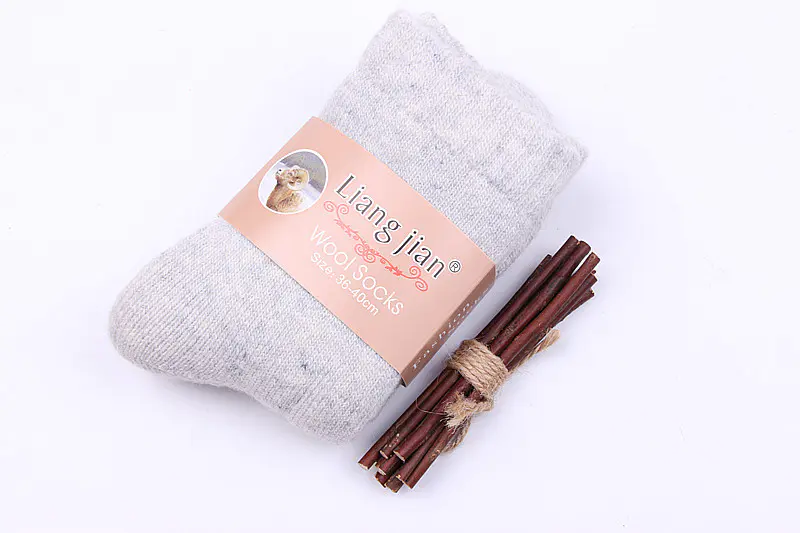 Super Thick Fuzzy Winter Floor Socks for Home and SleepCustomizable women’s indoor winter socks in EU36–39 with a thick, fuzzy cotton-blend knit for home, floor wear, and sleep.View Product →
The thickest floor socks sell best as gifts, so the retail packaging matters as much as the knit. Thin, weightless fuzzies, by contrast, live or die on price and color range.
Two samples can look identical in a photo and behave completely differently after ten washes. When we evaluate a fur or fleece sock, these are the points we check:
Branding a thick, textured sock takes a little more planning than branding a plain cotton crew, because heavy pile swallows fine detail. Embroidery holds up well on cuffs and flat leg panels; jacquard works for larger motifs and repeat patterns; woven labels and printed gift boxes are usually the cheapest way to look premium. Heat-transfer prints sit best on the smoother knit of the foot, not on the pile itself.
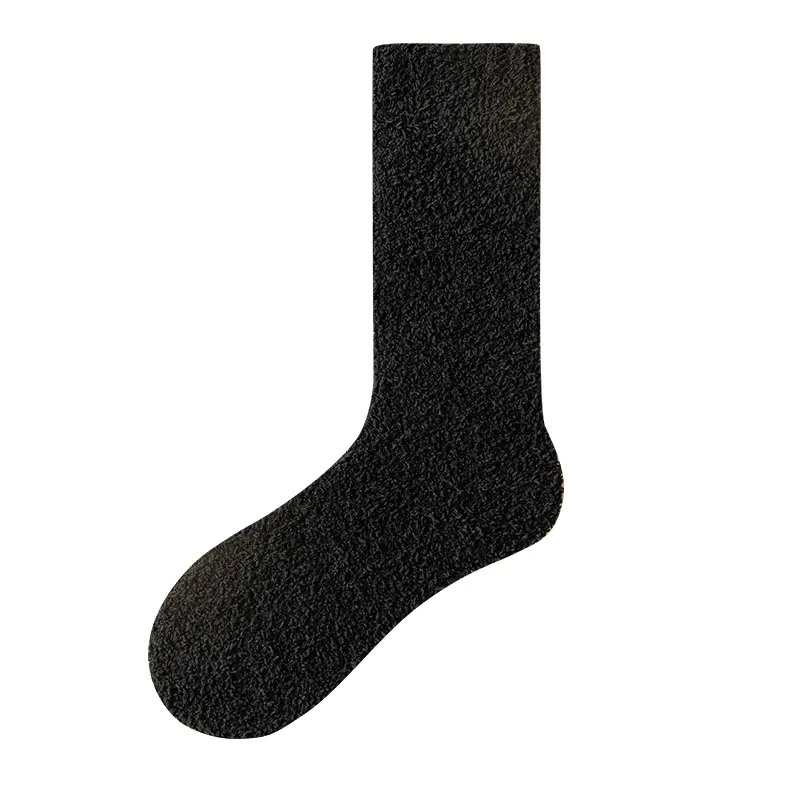 Custom Logo Thick Fleece Winter Home SocksWomen’s crew socks in EU36–39 with thick fuzzy fleece construction and custom logo options for wholesale winter home and floor wear.View Product →
For a seasonal gift program, order samples early. A color lab dip on fleece can look quite different from the same color on a flat cotton sock, and correcting it after bulk knitting is expensive.
Fur-trimmed and fleece-lined socks survive far longer with simple instructions on the pack. Turn them inside out, wash cool on a gentle cycle, skip the fabric softener and never tumble dry on high heat. Long-pile faux fur benefits from a light brushing once dry. If you would like a fuller set of guidelines to pass on to your customers, we keep a practical summary in our sock washing and care guide.
Before you place a purchase order for socks with fur detailing, work through these points with your supplier:
Fur is not really what makes these socks work. What sells them is warmth you can feel through the packaging, a shape that stays on the foot, and a texture that survives a winter of washing. Get those three right and the design almost takes care of itself. If you are planning a fuzzy or fur-trimmed line and want to compare constructions, our team at the Haining factory is always happy to walk through the options — you can start with a look at our wholesale custom sock range.


+86-13586371153
+86-0573-87670680
[email protected] [email protected]
8-1 Yongsheng Road, Parque Industrial Qianjiang, Dingqiao, Haining, Zhejiang, República Popular China
Derechos de autor © Haining Wanshida Calcetería Co., LTD Reservados todos los derechos.


